August 4, 2026
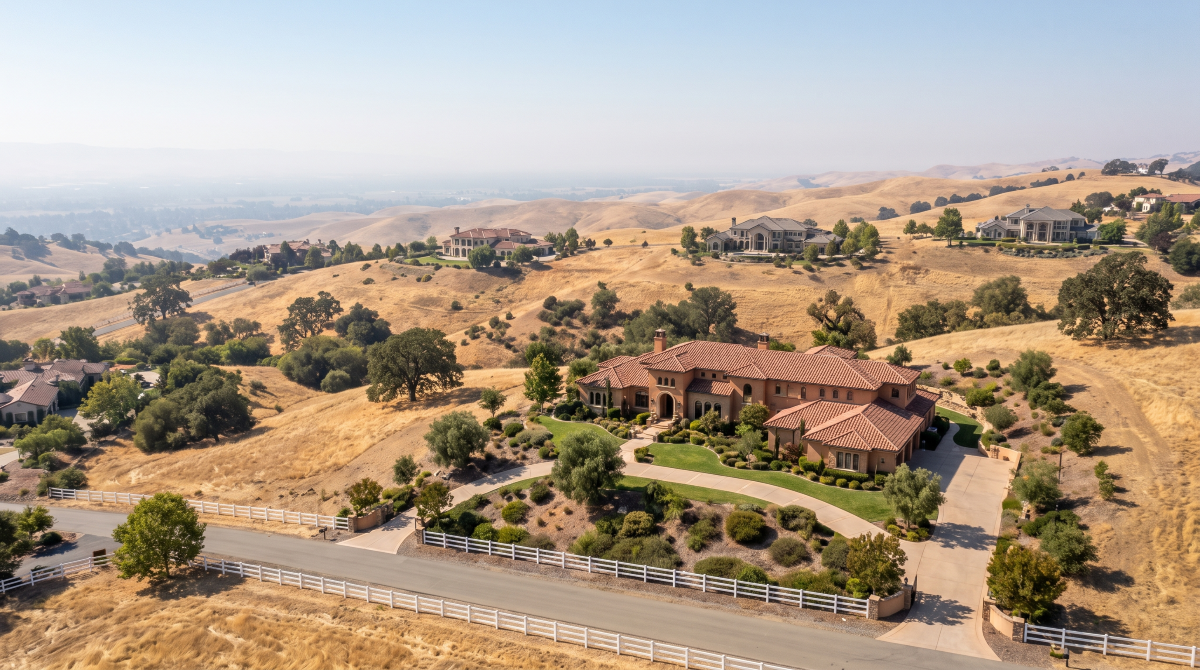
A decade ago, homeowners insurance was a closing checklist item. In 2026, it’s one of the most common reasons California transactions fall apart — and increasingly, one of the reasons agents get named in disputes after they do.
In high-fire-risk areas, buyers are discovering late in escrow that admitted carriers won’t write the property, that the only option is a California FAIR Plan policy paired with supplemental coverage, or that the annual premium changes the affordability math their loan was approved on. When that discovery blows up a deal — or worse, surfaces after closing — the first question is often: what did the agents know, and when did they say it?
Here’s where the duties sit, and how to manage the risk.
The background every California agent already feels: carrier exits and non-renewals have pushed a growing share of high-risk properties onto the FAIR Plan, the state’s insurer of last resort. The FAIR Plan covers fire-related perils up to its limits but doesn’t provide the full protection of a standard homeowners policy, which is why it’s typically paired with a separate “difference in conditions” (DIC) policy — at combined premiums that can genuinely shock buyers.
California insurance regulation and legislation continue to evolve, including measures addressing non-renewals, mitigation, and the FAIR Plan. Those changes may stabilize the market over time. They do not eliminate the transaction-level problem today: in fire-hazard zones, insurance availability and cost can materially affect a buyer’s decision and are volatile.
Agents don’t need new statutes to have obligations here. The existing framework already covers most of it:
Natural Hazard Disclosure (Civil Code § 1103). For transactions subject to the statutory natural hazard disclosure requirements, sellers must provide the required natural hazard disclosure statement, which addresses whether the property is in specified fire-hazard areas. Fire hazard zone maps have been updated in recent cycles — a property that wasn’t in a mapped zone at the last sale may be in one now.
AB 38 home hardening and defensible space disclosures. For qualifying homes built before 2010 in high or very high fire hazard severity zones, sellers must provide the disclosures and documentation required by Civil Code section 1102.6f. Agents should treat these as substantive, not boilerplate — home-hardening features and defensible-space information may be relevant to a buyer’s insurance inquiry.
Fiduciary duty and material facts. As we covered in our guide to agent fiduciary duties, an agent owes their client duties that include disclosing material facts known to the agent that affect the value or desirability of the property. In a fire-hazard zone in 2026, known facts concerning a property’s non-renewal history, FAIR Plan coverage, or fire-hazard designation may be material. An agent who knows those facts should consider their disclosure obligations and avoid treating them as someone else’s problem.
The insurance contingency. The C.A.R. Residential Purchase Agreement’s investigation framework may allow buyers to investigate insurability during an applicable contingency period, subject to the terms of the agreement. The risk pattern we see: buyers who don’t start shopping coverage until days before contingency removal, then face a choice between waiving with incomplete information or losing the deal. Agents who encourage insurance investigation at the front of the timeline can help protect the transaction and reduce risk.
Without predicting outcomes in any particular case, the recurring fact patterns in insurance-related disputes tend to look like this:
The common thread: the agents in trouble aren’t usually the ones who knew too little. They’re the ones who documented too little, or said too much.
Do I have to disclose that a property is hard to insure?
Known facts bearing on insurability — such as a non-renewal, FAIR Plan placement, or Very High FHSZ designation — may be material and may require disclosure depending on the circumstances. Agents should document the information received and consult their broker or legal counsel when appropriate.
Is the NHD report enough?
The NHD statement satisfies a specific statutory obligation. It doesn’t replace an agent’s broader duty to disclose known material facts, and it doesn’t tell a buyer what coverage will cost.
Can a buyer back out over insurance costs?
A buyer may investigate insurability during an applicable contingency period under the purchase agreement. Whether a particular buyer may cancel depends on the contract, the status of contingencies, and the facts — which is exactly why timing the insurance investigation early matters.
Insurance has become a transaction-critical issue in much of Riverside County and beyond, and the legal exposure follows the same path it always has: material facts, fiduciary duties, and documentation. Agents who front-load the insurance conversation, refer clients to qualified brokers, and paper their files are in a strong position. Agents who improvise are not.
If you’re a broker or agent facing an insurance-related transaction dispute — or want to tighten your office’s risk-management practices before one happens — Tyler Law’s real estate attorneys work with REALTORS® and brokerages across California. Contact us to schedule a consultation.
This article is for general informational purposes and is not legal advice.
Riverside County: (951) 600-2733
Orange County: (714) 978-2060
Northwest Arkansas: (479) 377-2059
August 21, 2026
Failure to Disclose a Home Defect in California: Seller Liability, ExplainedCalifornia sellers must disclose known material defects — even in an as-is sale. What the TDS requires, what buyers can recover, and how nondisclosure disputes like an undisclosed pool leak play out.
August 4, 2026
When Insurance Kills the Deal: Wildfire Coverage, Disclosure Duties, and Agent Liability in 2026Wildfire insurance is now a deal-critical issue in California transactions. What agents and brokers must disclose, where liability risk is growing, and how to protect your clients — and yourself — in 2026.
May 21, 2026
C.A.R.’s 2026 Spring Business Meetings: Key Takeaways for Brokers & AgentsC.A.R.’s 2026 Spring Business Meetings: new MLS seller-concession and listing-photo rules, transaction coordinator standards, AI compliance, and DRE enforcement for California brokers and agents.


